Insights
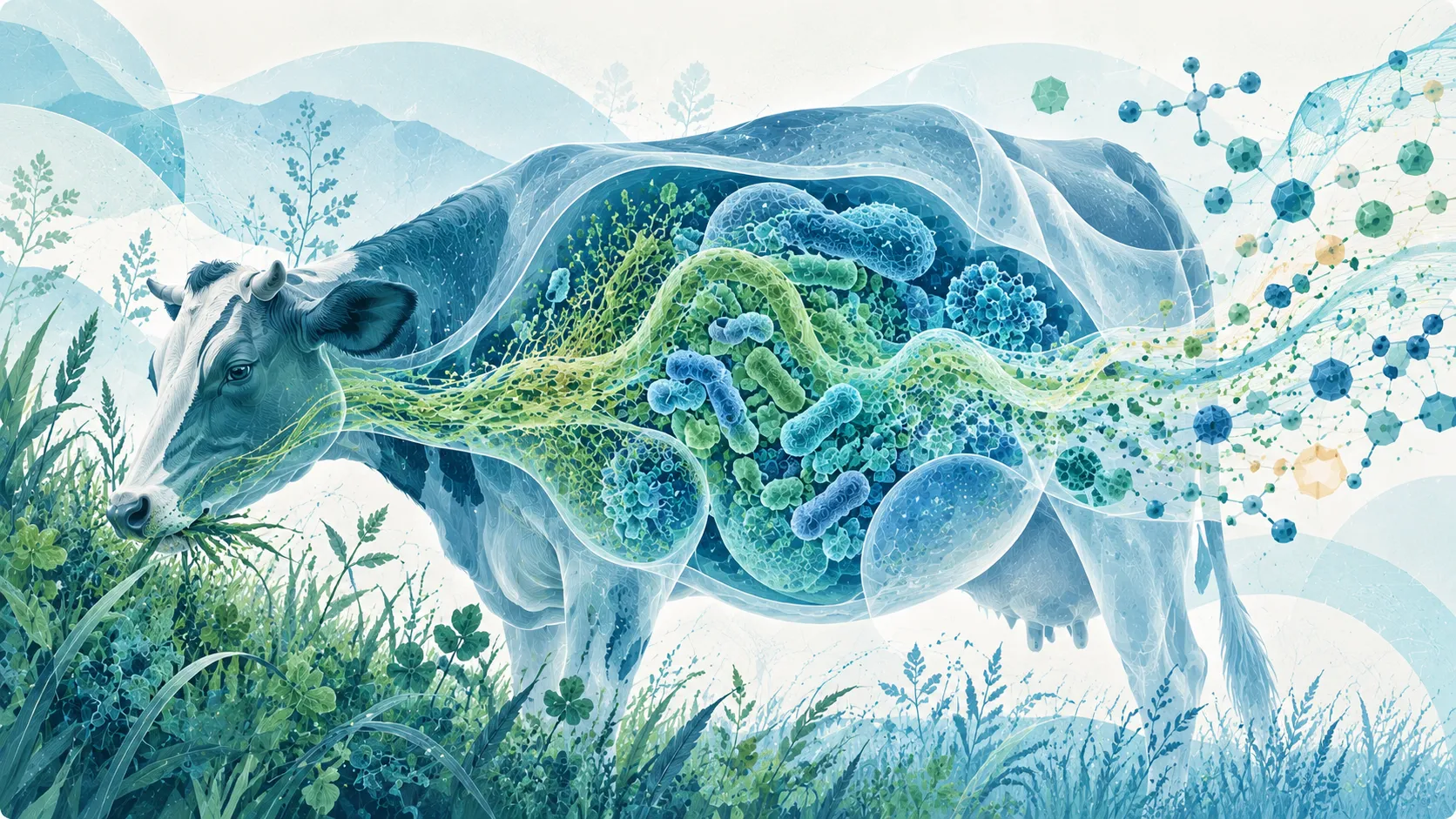
The ruminal microbiome is a dense, complex community of microbes in the forestomach of ruminants that enables digestion of fibrous plants and underpins global meat and milk production. It resides…
Alterations in the gastrointestinal (GI) microbiome have been documented in dogs with conditions such as acute uncomplicated diarrhea, acute hemorrhagic diarrhea syndrome, parvoviral enteritis, and chronic enteropathies. Although the exact…
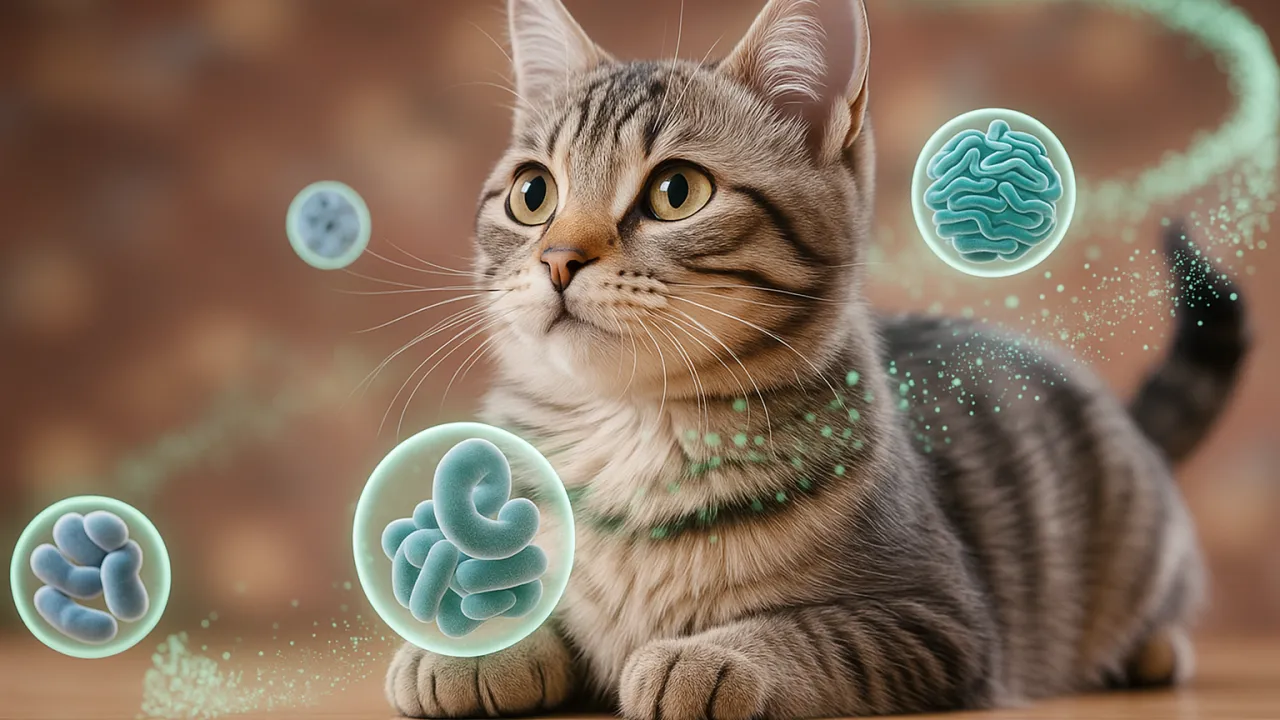
The feline gut microbiota consists of a diverse and dynamic community of microorganisms residing in the intestinal tract of cats. This complex ecosystem plays a crucial role in digestion, nutrient…
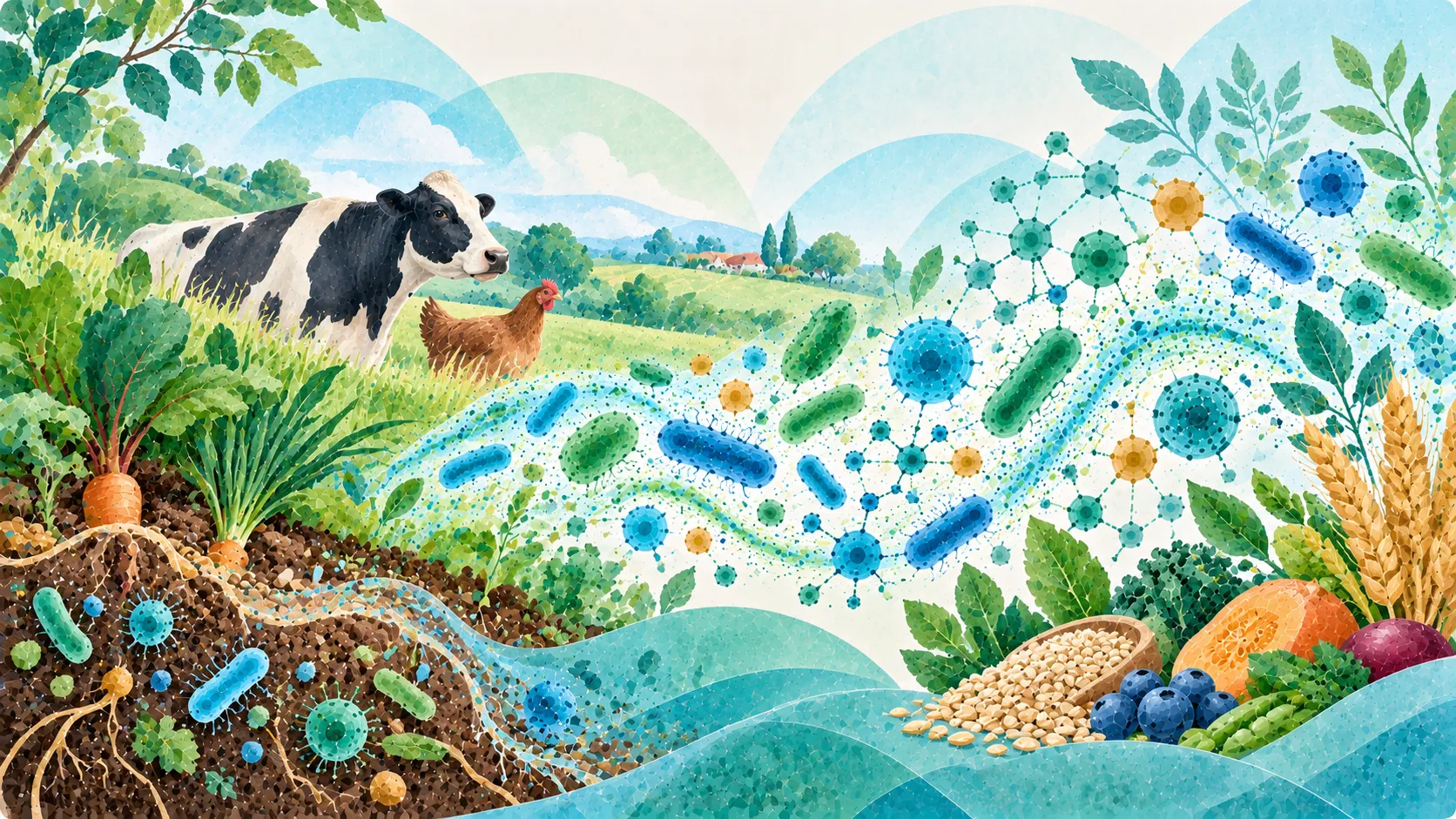
Probiotics and prebiotics are increasingly used in animal husbandry as sustainable tools to promote health and productivity, particularly since the use of antibiotics for growth promotion has been banned in…
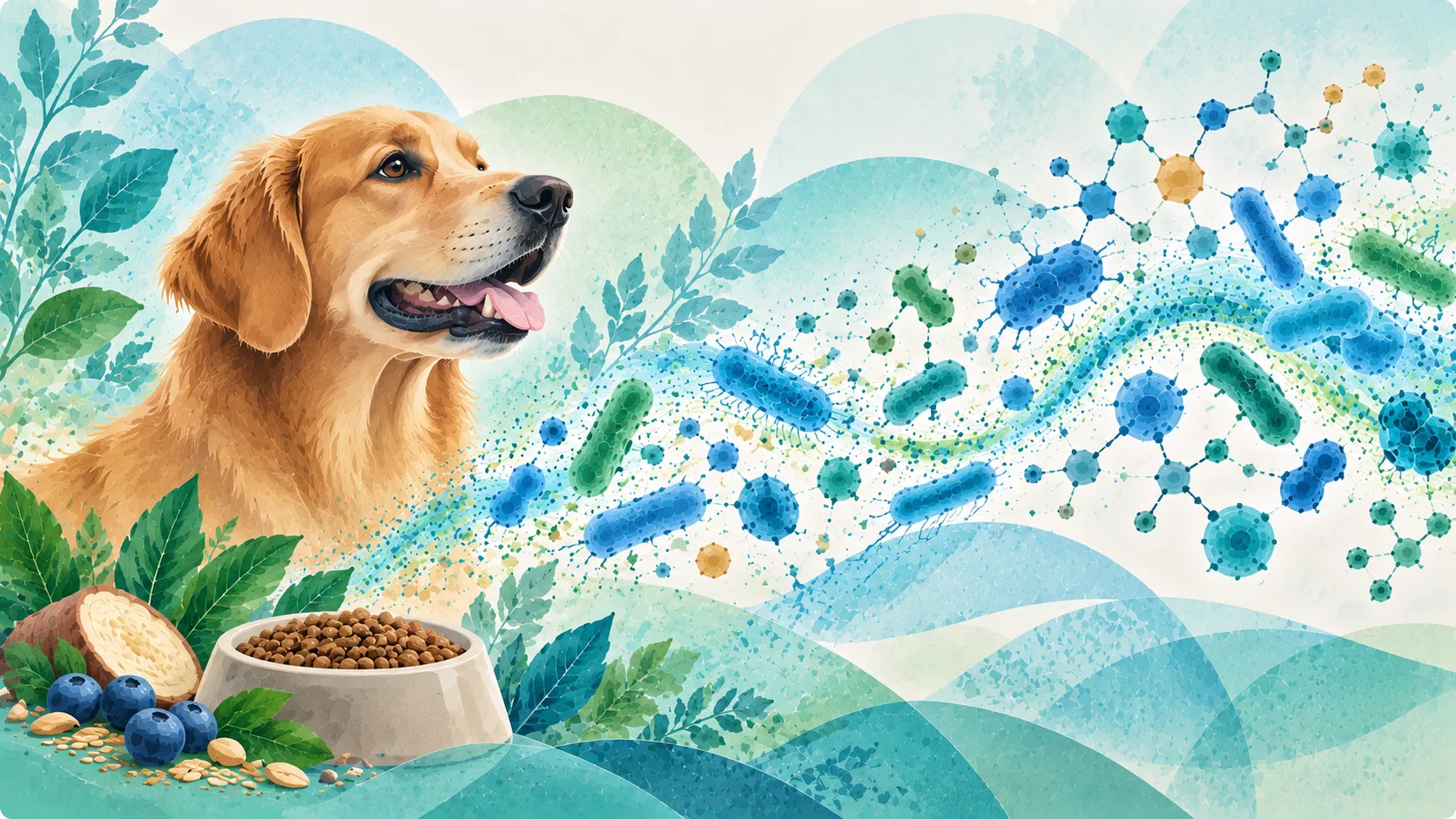
Diet plays a fundamental role in shaping the composition and functionality of the canine gut microbiota, surpassing environmental factors in its influence. Recent advances in next-generation sequencing have enabled detailed…
Microbiome-driven adaptations are fundamental to how both domesticated and wild animals respond to environmental challenges. The gut microbiota plays a central role in regulating nutrition, immune function, and resilience to…
Similar to humans, the gut microbiota of dogs is a diverse and dynamic community of microorganisms that plays a vital role in maintaining health. It contributes significantly to metabolism, immune…