Insights
Menopause causes a marked decline in circulating estrogen, and the gut microbiota is increasingly proposed as both a target and a mediator of this hormonal shift. Wang et al. (2025)…
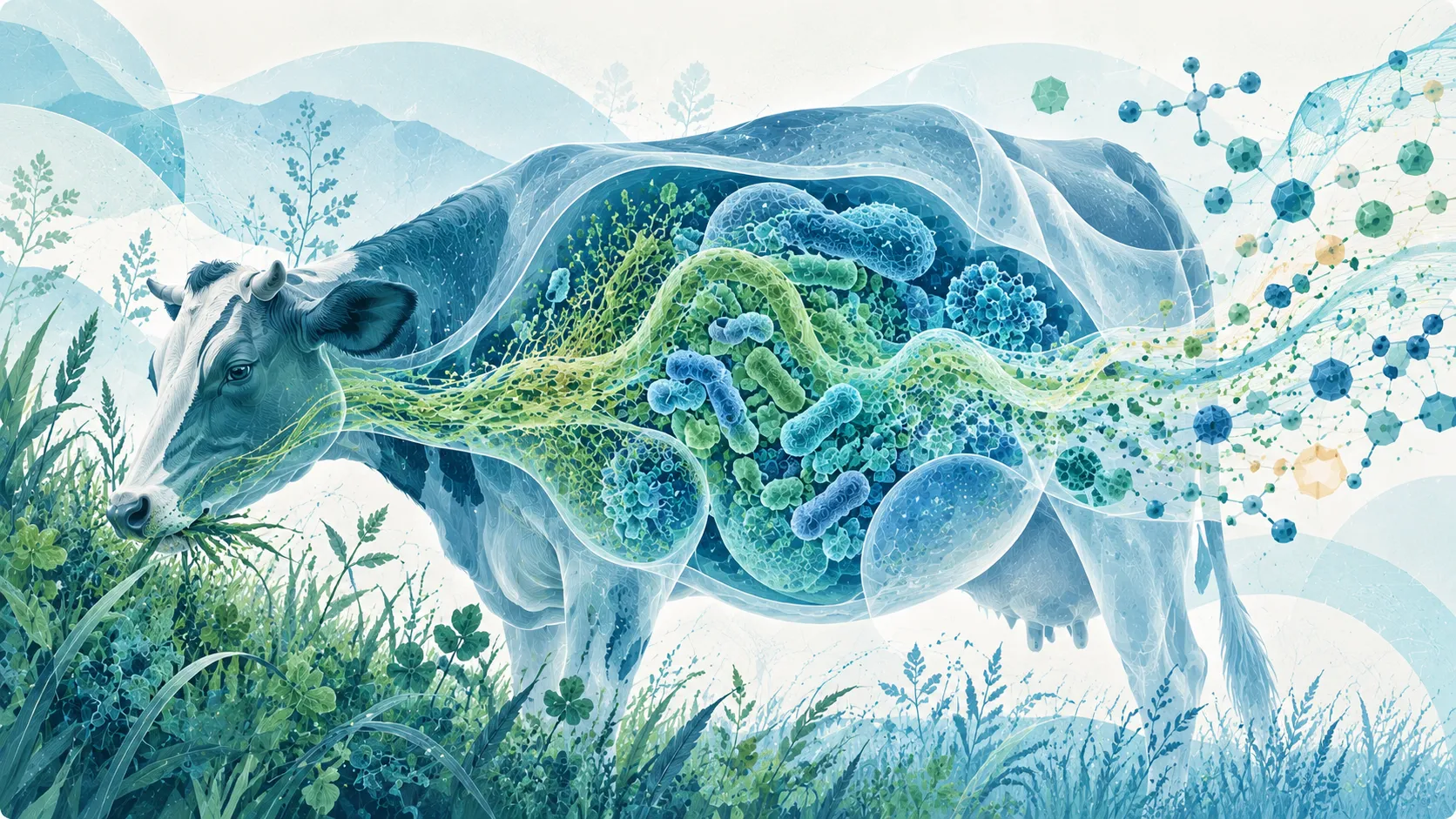
The ruminal microbiome is a dense, complex community of microbes in the forestomach of ruminants that enables digestion of fibrous plants and underpins global meat and milk production. It resides…
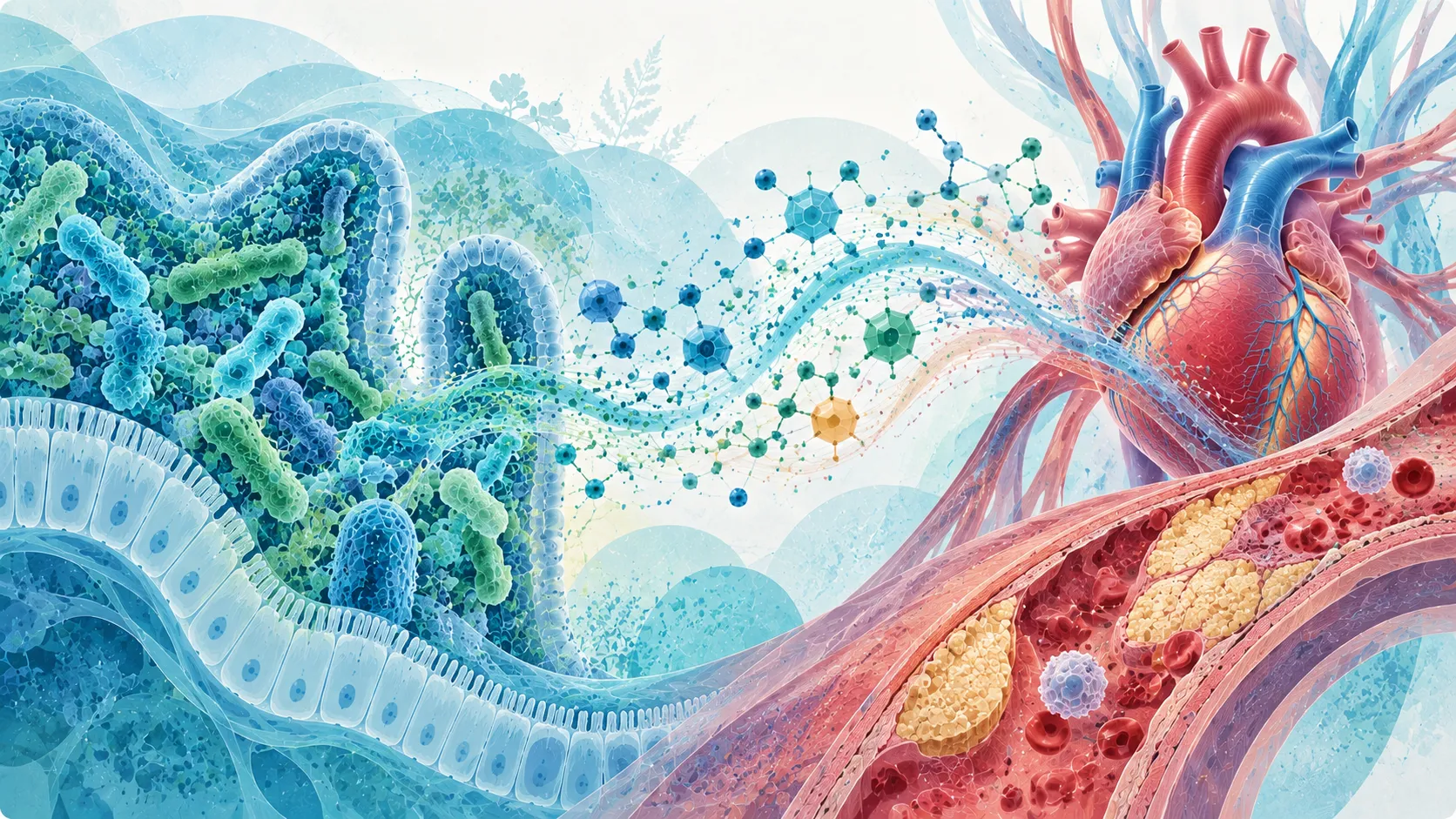
Atherosclerosis is traditionally understood as a multifactorial disease driven by dyslipidemia, hypertension, smoking, diabetes, and chronic vascular inflammation. However, these classical risk factors do not fully explain the residual cardiovascular…
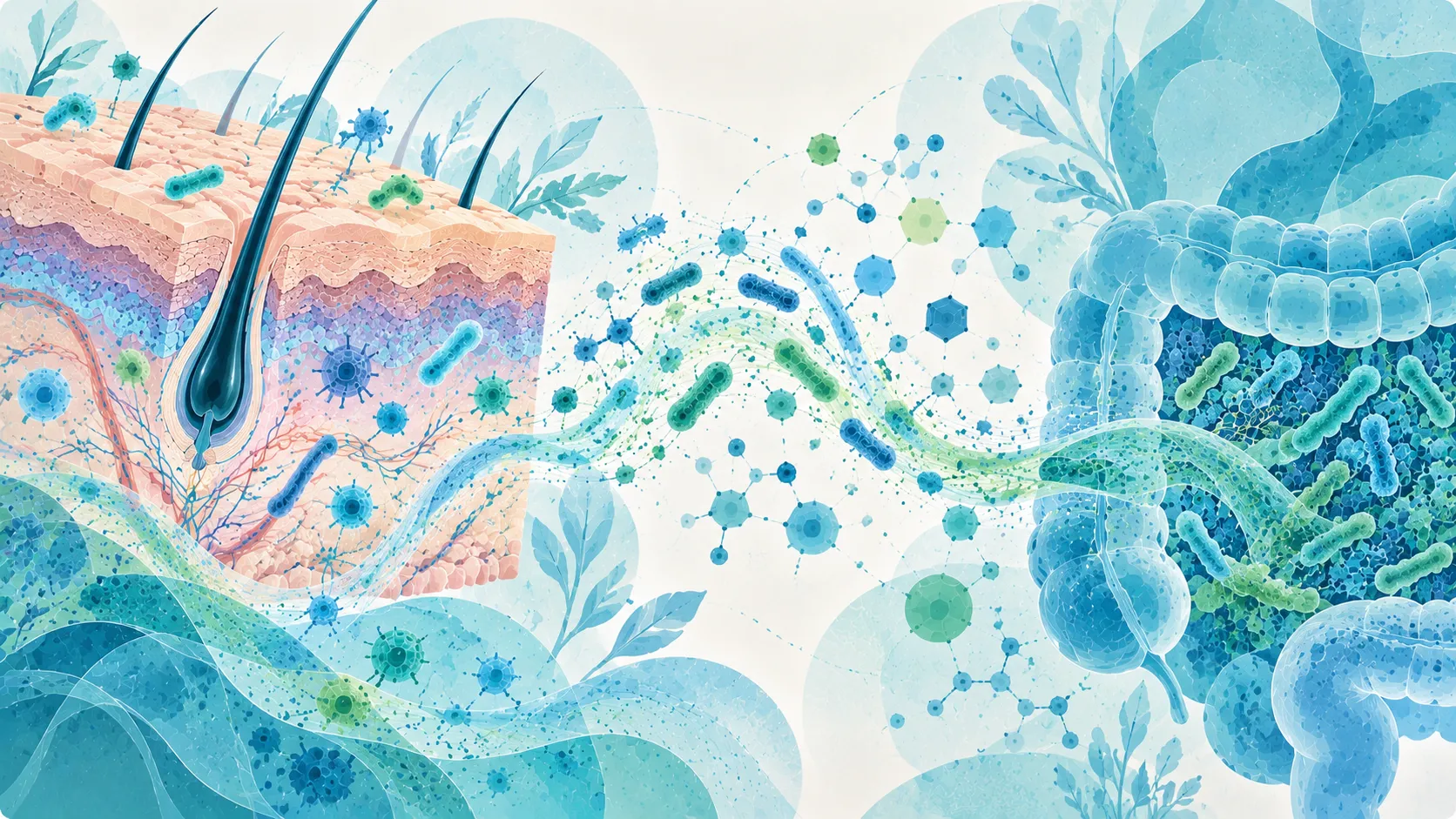
At first glance, the gut and the skin appear to be entirely separate systems. Yet biologically, they are closely aligned. Both function as barrier organs, are richly colonized by microbial…
Precision microbiome therapies represent a new frontier in personalized medicine, aiming to tailor interventions based on an individual’s unique microbial composition. These therapies seek to address diseases by precisely modulating…
Alterations in the gastrointestinal (GI) microbiome have been documented in dogs with conditions such as acute uncomplicated diarrhea, acute hemorrhagic diarrhea syndrome, parvoviral enteritis, and chronic enteropathies. Although the exact…
Over the past decade, growing evidence has highlighted the significant role of the gut microbiota in the pathogenesis and progression of multiple sclerosis (MS), a chronic autoimmune disorder of the…
The feline gut microbiota consists of a diverse and dynamic community of microorganisms residing in the intestinal tract of cats. This complex ecosystem plays a crucial role in digestion, nutrient…
The human gastrointestinal tract is home to an extraordinarily diverse and dynamic community of viruses, collectively referred to as the gut virome. This viral component of the microbiome has emerged…
Probiotics and prebiotics are increasingly used in animal husbandry as sustainable tools to promote health and productivity, particularly since the use of antibiotics for growth promotion has been banned in…
The gut-brain axis (GBA) represents a complex, bidirectional communication network between the gastrointestinal tract and the central nervous system. This axis involves neural, hormonal, and immunological signaling pathways, with the…
Alterations in the gut microbiota have gained increasing recognition as a key contributor to the development and progression of both type 1 and type 2 diabetes. In particular, dysbiosis—a disruption…