Insights
The gut microbiota comprises a diverse community of bacteria, archaea, fungi and viruses that inhabit the gastrointestinal tract and contribute to a range of host functions, including nutrient metabolism, maintenance…
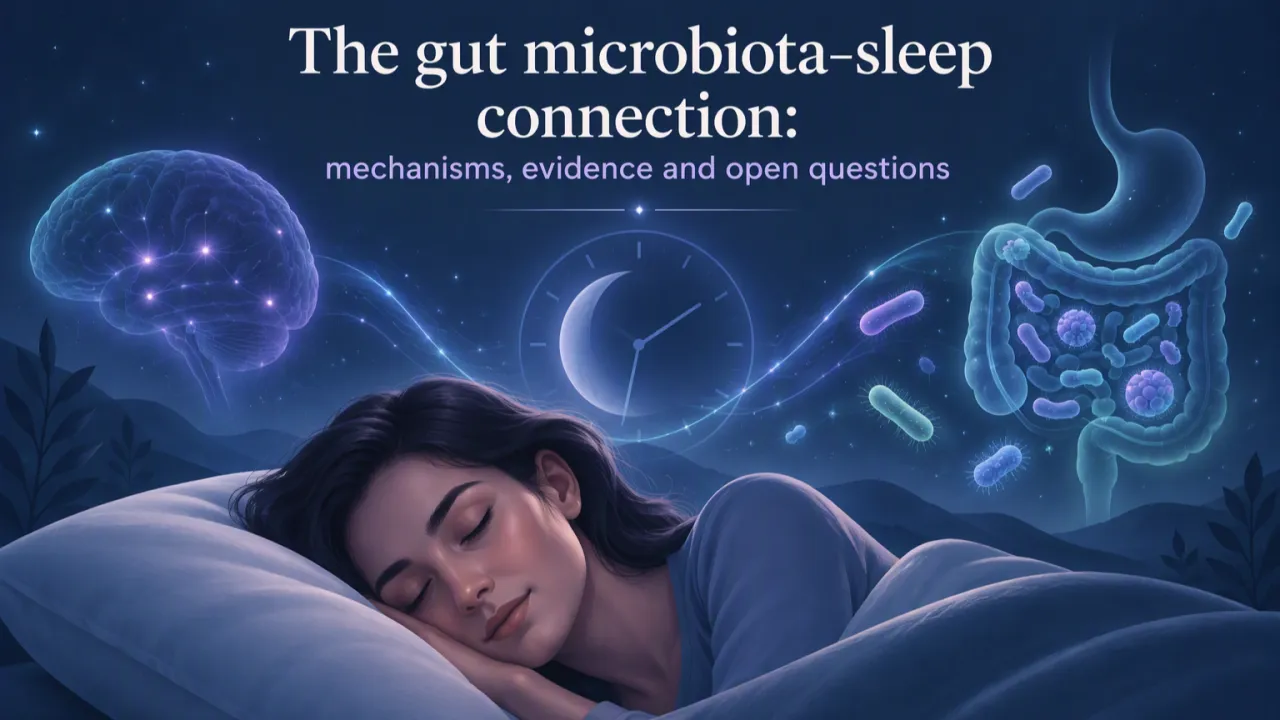
Over the past decade, growing interest has emerged in the relationship between sleep and the gut microbiota. Evidence suggests that sleep habits, including duration, quality, and alignment with circadian rhythms,…
Menopause causes a marked decline in circulating estrogen, and the gut microbiota is increasingly proposed as both a target and a mediator of this hormonal shift. Wang et al. (2025)…
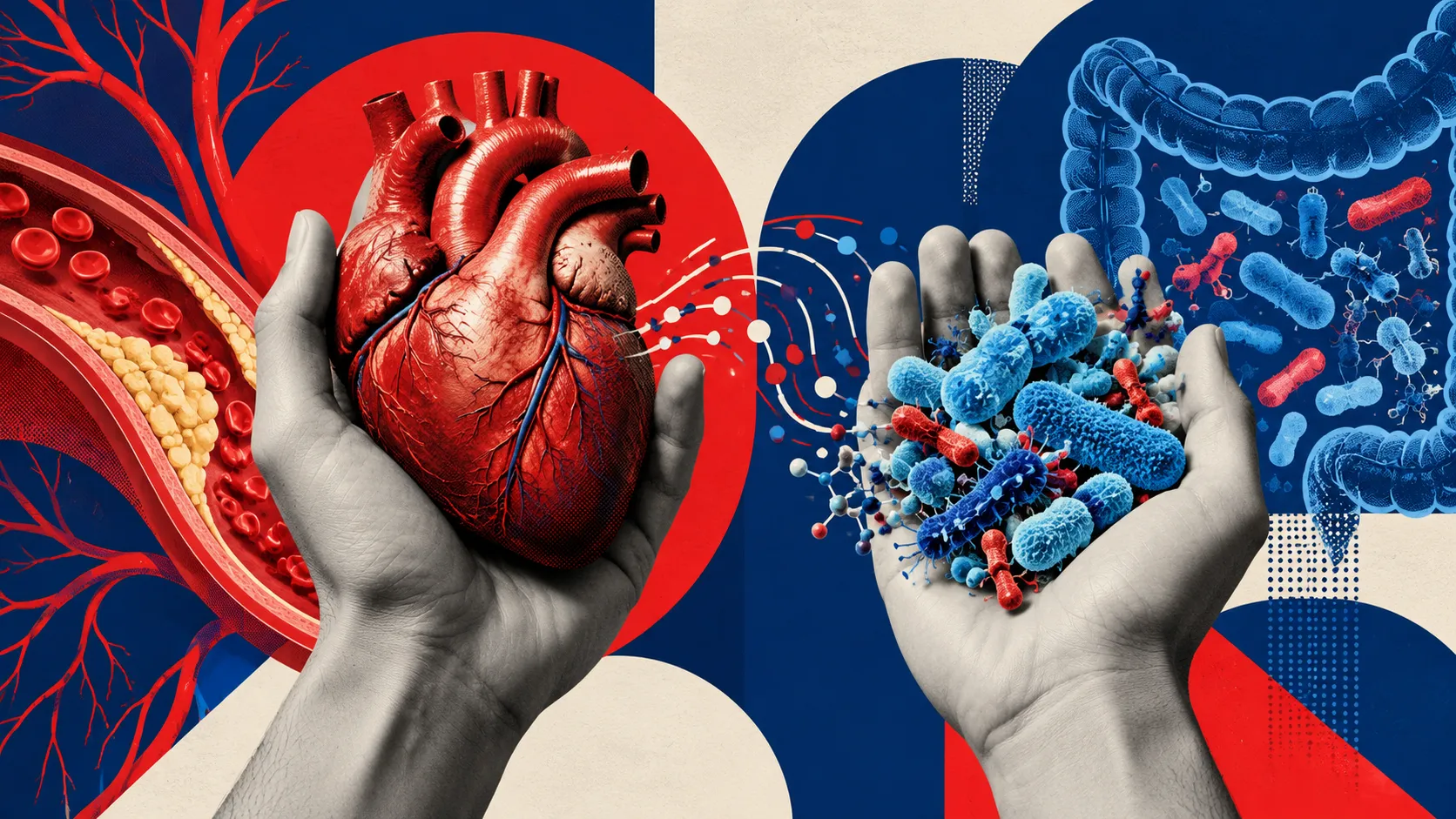
Atherosclerosis is traditionally understood as a multifactorial disease driven by dyslipidemia, hypertension, smoking, diabetes, and chronic vascular inflammation. However, these classical risk factors do not fully explain the residual cardiovascular…
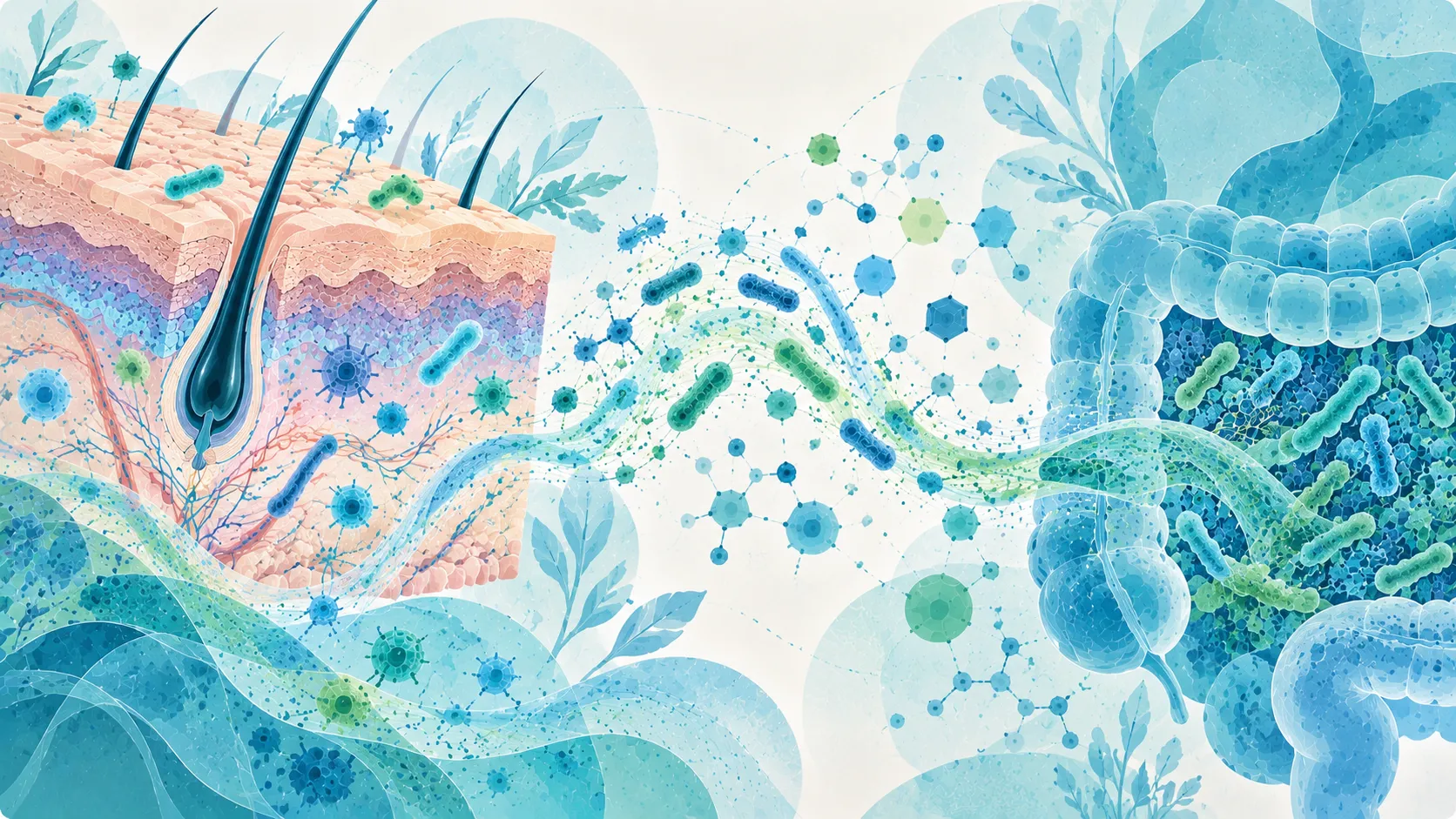
At first glance, the gut and the skin appear to be entirely separate systems. Yet biologically, they are closely aligned. Both function as barrier organs, are richly colonized by microbial…
Precision microbiome therapies represent a new frontier in personalized medicine, aiming to tailor interventions based on an individual’s unique microbial composition. These therapies seek to address diseases by precisely modulating…
Over the past decade, growing evidence has highlighted the significant role of the gut microbiota in the pathogenesis and progression of multiple sclerosis (MS), a chronic autoimmune disorder of the…
Alterations in the gut microbiota have gained increasing recognition as a key contributor to the development and progression of both type 1 and type 2 diabetes. In particular, dysbiosis—a disruption…
Diet is one of the most influential and immediate factors shaping the composition and function of the gut microbiota. Nutritional intake can rapidly alter microbial diversity, metabolic activity, and overall…
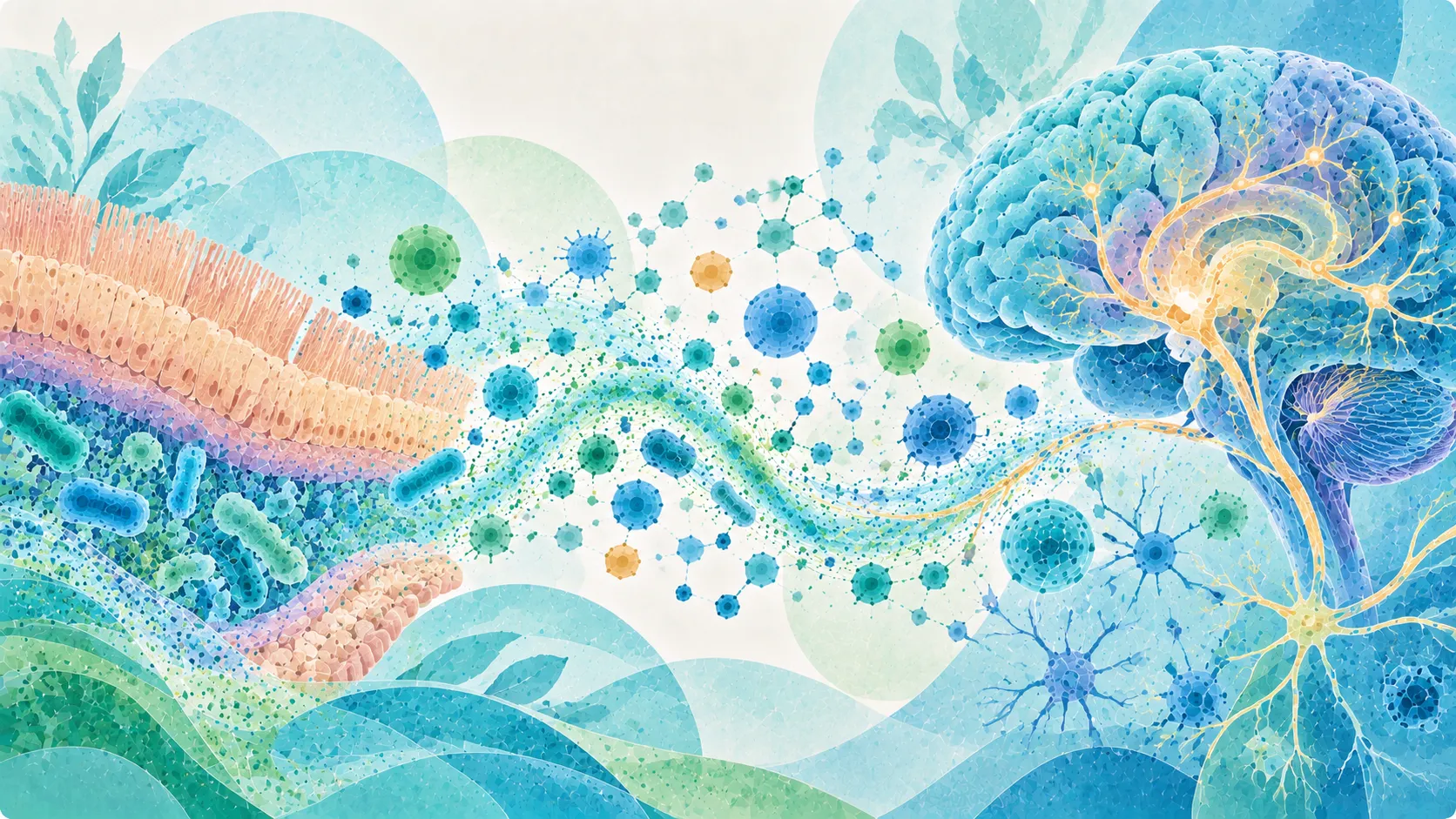
The concept that our gut and brain are deeply connected is no longer speculative—it’s now a cornerstone of biomedical research. The gut–brain axis, a bidirectional communication network linking the gastrointestinal…
Endurance running, celebrated globally on 7 June as Running Day, exemplifies a unique physiological stress that reverberates from skeletal muscle to the lumen of the gastrointestinal tract. The repetitive mechanical…
Melatonin, best known as the “sleep hormone,” is critical for regulating circadian rhythms. Yet, recent research has revealed an unexpected but fascinating role of melatonin in maintaining gut microbiota balance…